Postdoctoral Training Program

Advanced clinical fellowships with top-notch specialized training opportunities.

Postdoctoral Training Program at EBTCS

Adult Anxiety Center Postdoctoral Training Program

Child Anxiety Center Postdoctoral Training Program

DBT Center Postdoctoral Training Program

Joint Fellowship Opportunities

Postdoctoral Training Program at EBTCS

Our postdoctoral training program offers specialty training in the delivery of evidence-based treatments. The program at EBTCS was developed in 2003 and offers opportunities for advanced evidence-based psychotherapy training. Since its inception, we have committed to providing state-of-the-art clinical training, as we believe that high-quality training is an essential component of disseminating evidence-based treatments.

Key Fellowship Components:

  • Two-year commitment with opportunity in second year for promotion to training staff-level position upon meeting program-specific competencies
  • 16-18 direct clinical service hours per week
  • 4 hours administrative duties per week
  • Two hours of weekly supervision
  • Weekly program-wide and team-specific didactics
  • Participation in EBTCS research team activities

Pay and Benefits:

  • Flexible start dates from mid-summer through end of September
  • Starting salary is $60,000/year, and increases to $75,000/year upon licensure
  • Medical, dental, and vision insurance
  • Yearly bus/light rail/water taxi pass
  • 4% matched 401K

Current Postdoc Openings

We are not currently accepting applications for postdoctoral fellowships. We will post openings during fall 2026 for our next postdoc fellow cohort (who would begin summer/fall 2027). If you are interested in learning more about a specific team’s fellowship experiences, feel free to contact us with your questions!

Contact Director of Training: lmarks@ebtseattle.com

Adult Anxiety Center Postdoctoral Training Program

Posdoctoral fellows at the Anxiety Center receive specialized training and supervision in evidence-based treatments for anxiety and related disorders, with a strong emphasis on exposure-based treatments. The Adult Anxiety Center is comprised of psychologists and a psychiatrist who collaborate compassionately and closely to offer the best possible evidence-based care to our clients. Clinical training for fellows includes providing individual therapy for adult clients with the full range of anxiety, obsessive-compulsive, and trauma-related disorders. Trainees will work closely with our Director, Travis Osborne, PhD, ABPP, and Assistant Director, Libby Marks, PhD.

Highlights of our Adult Anxiety Fellowship:

  • Training with supervisors who are experts in treating OCD, anxiety disorders, PTSD, and commonly co-occurring disorders
  • Weekly consultation team meetings to discuss cases, brainstorm interventions, and provide support.
  • Receiving weekly didactics in a wide range of evidence-based interventions.
  • Collaborating with clinicians from other teams at EBTCS with shared clients
  • Multidisciplinary treatment of anxiety and related-disorders with in-house psychiatrist when medication management is indicated

Current Postdoc Openings

We are not currently accepting applications for postdoctoral fellowships. We will post openings during fall 2026 for our next postdoc fellow cohort (who would begin summer/fall 2027). If you are interested in learning more about a specific team’s fellowship experiences, feel free to contact us with your questions!

Contact Director of Training: lmarks@ebtseattle.com

Child Anxiety Center Postdoctoral Training Program

The Child Anxiety Center has set the bar for providing the highest quality evidence-based treatments to children, teens and families for nearly two decades. We were the first specialty pediatric OCD treatment center in the Seattle area, we offered the first specialty anxiety and OCD IOP programs, and we remain the only clinic to offer specialty intensive treatment for school refusal. The Child Anxiety Center is comprised of a team of psychologists and child psychiatrists who collaborate closely to deliver the highest quality care. Trainees will work closely with our Director, Jennifer Tininenko, PhD and Assistant Director, Danny O’Rourke, PhD, ABPP.

Child Anxiety Center Postdoctoral Training Program

  • Specialized training and supervision for treating OCD, the full range of anxiety disorders, and related disorders (i.e., body focused repetitive behaviors, Tourette’s, etc.) using evidence-based treatments (e.g., ERP, CBT, behavioral parent training, CBIT)
  • Working closely with team to treat children, adolescents, and parents within our outpatient program
  • Participation in our partial hospitalization program (PHP), working closely and collaborating with other CAC clinicians to treat higher acuity clients
  • Weekly didactics on topics relevant to child anxiety-specific assessment and treatment

Current Postdoc Openings

We are not currently accepting applications for postdoctoral fellowships. We will post openings during fall 2026 for our next postdoc fellow cohort (who would begin summer/fall 2027). If you are interested in learning more about a specific team’s fellowship experiences, feel free to contact us with your questions!

Contact Director of Training: lmarks@ebtseattle.com

DBT Center Postdoctoral Training Program

The DBT Center at EBTCS has been providing comprehensive outpatient DBT to teens and adults since 2002 and started providing intensive outpatient (IOP) services in 2018. We were one of the first programs in the country to be certified by the Linehan Board of Certification. Trainees will receive specialized training and supervision in DBT and a variety of evidence-based treatments for clients with multiple, chronic problems related to emotion dysregulation. Fellows will work closely with our Directors, Jasper Berg, PhD and Shannon Sorenson, PhD.

Highlights of our DBT Fellowship:

  • Provide comprehensive DBT, including individual sessions, phone coaching, and group skills training, for adults, adolescents, and families
  • Implementation of DBT at both outpatient and IOP levels of care
  • Serve as members of our vibrant DBT team and work closely with colleagues in other centers at EBTCS
  • Participate in DBT-specific weekly didactic trainings as well as broader CBT weekly didactics

Current Postdoc Openings

We are not currently accepting applications for postdoctoral fellowships. We will post openings during fall 2026 for our next postdoc fellow cohort (who would begin summer/fall 2027). If you are interested in learning more about a specific team’s fellowship experiences, feel free to contact us with your questions!

Contact Director of Training: lmarks@ebtseattle.com

Joint Fellowship Opportunities

Given the unique set-up of EBTCS with multiple specialty centers all housed in our clinic, we sometimes offer joint postdoctoral fellowship opportunities across teams. As part of a joint fellowship (e.g., DBT split with eating disorders), trainees would share time across both teams. Their caseloads would include clients from both specialty clinics, and supervision would be spread across both teams as well. The specific logistics of a joint fellowship depends on the year, which teams are sharing, etc. If a joint fellowship is available, we will post more details about the position when we advertise fellowship openings each summer.

Current Postdoc Openings

We are not currently accepting applications for postdoctoral fellowships. We will post openings during fall 2026 for our next postdoc fellow cohort (who would begin summer/fall 2027). If you are interested in learning more about a specific team’s fellowship experiences, feel free to contact us with your questions!

Contact Director of Training: lmarks@ebtseattle.com

What Makes Our Program Remarkable?

  • Training and supervision with experts in your chosen area of interest, with the goal of becoming an expert yourself.
  • Working in a compassionate and supportive environment where everyone genuinely cares for their clients, one another, and is happy to come to work each day.
  • Being a part of a consultation team that meets weekly to discuss cases, brainstorm interventions, and provide support.
  • Receiving weekly didactics in a wide range of evidence-based interventions.
  • Participating in an in-house, weekly APA-approved continuing education (CE) program, where you can easily earn the number of CE credits required for your professional license.
  • Participating in an innovative in-house, practice-based research program that has resulted in paper publications and a range of presentations and posters at national conferences.
  • Earning a competitive post-doc salary starting at $60,000/year and increasing to $75,000/year after licensure.
  • Receiving great benefits, including medical, dental, and vision insurance, a yearly bus/light rail pass, and a 4% matched 401K (yes, even starting as a post-doc).
  • As if all of that weren’t enough, you would also be living in the beautiful Pacific Northwest, where you can hike, bike, ski, fish, kayak, raft, paddleboard and camp (virtually) anytime! If city-living is more your style, Seattle has all those amenities within minutes of where you would be working, including first-rate shopping, theater, concerts, four (soon-to-be five) professional sports teams, and award-winning restaurants.

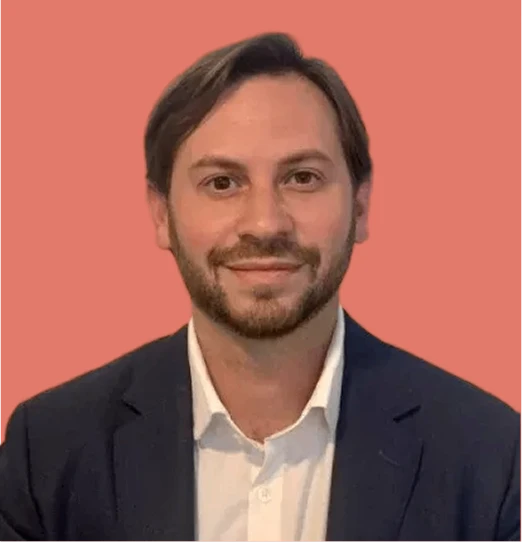
Eric Zaizar, PhD

Postdoctoral Fellow Spotlight

What made you choose EBTCS for postdoc?
I was looking to complete my postdoc in a well-established anxiety disorders specialty clinic that provides ample support in the licensure process and a clear pathway toward employment. The Anxiety Center was the ideal choice for me, and I feel very grateful to have this opportunity.

What are you enjoying the most about postdoc right now?
I enjoy working with a team of clinicians who share my passion for helping others overcome anxiety disorders. I also really appreciate EBTCS’s emphasis on offering therapies that are firmly rooted in clinical science. The psychologists here are highly trained, intellectually curious, and committed to the continual updating of their practice based on scientific advances.

What is one of the biggest challenges of the fellowship so far?
Preparing for licensure and studying for the EPPP. EBTCS has been very supportive throughout this process, including reimbursement for the licensing application, testing fee, and test prep materials.

How have you found the work/life balance?
Excellent. I don’t work after 5 or on weekends. For postdocs, our caseloads are also relatively light while we work on the licensure process. In addition, there is a lot of flexibility with respect to working remotely or in the clinic. If I finish a day early, my supervisors don’t expect me to stick around for no reason. They have been very transparent about this. The overall culture of the clinic embraces flexibility.

What is one piece of advice you would give to applicants now that you’ve been through the process?
After dissertation defense, the match process, and starting internship, it can feel exhausting to have to start applications all over again. There is a lot of rapid change and uncertainty within a short timeframe which can contrast sharply with the predictability and consistency of the 5+ years of grad school that occurred before.  However, I think it is really important to stay focused on securing a postdoc/job that aligns most with your values and overall career aspirations. Persistence despite the application fatigue is key.

Is Seattle cool?
I love Seattle. Each neighborhood is distinct and interesting, oftentimes with a unique park or its own farmer’s market. Restaurants are also great, especially if you enjoy seafood. Breweries are also very good and there are also a lot of good places to try Washington wines. The surrounding mountains, lakes, old growth forests, temperate rainforests, and islands are also incredible. It is a cool city and a paradise for nature lovers.

Emily Bond, PhD

Postdoctoral Fellow Spotlight

What are you enjoying the most about postdoc right now?

The team culture at EBTCS is an exceptional model of collaboration and I have really enjoyed getting to learn alongside highly trained and knowledgeable providers in the field. This postdoc opportunity has been such a rich training ground, and I have really appreciated how attentive my supervisors have been to my growth and development as a professional.

What is one of the biggest challenges of the fellowship so far?

As has been the experience for many postdoctoral fellows in the state of Washington, navigating the licensure process has been quite difficult. And preparing to take the licensing exam is something that has been challenging. With that said, I have been so appreciative of the support and encouragement that the team has provided throughout this process.

How have you found the work/life balance?

How fun it has been to have free nights and weekends! I have a clear separation of my work and personal life now and have had so much fun using my new freedom rediscovering some old hobbies of mine and uncovering some new ones.

What is one piece of advice you would give to applicants now that you’ve been through the process?

I remember feeling hesitant to apply for a postdoc position in a clinic that specialized in anxiety treatment when that was not the main focus of my previous training. However, providing evidence-based anxiety treatment was something that I was really interested in further developing in my own practice. And taking the plunge and applying for this position has been the best decision for me! My advice would be to not shy away from applying for positions for which you may not feel totally prepared. Postdoctoral fellowship positions are a great opportunity to receiving training and supervision in an area that you would like to learn more about.

Is Seattle cool?

I love to rave about Seattle! My favorite parts are just outside of the city as Washington provides an awesome outdoor playground for those who enjoy hiking, backpacking, climbing, skiing, biking, etc.  I am never bored and have found a great community of people to play outside with!

Morgan Anderson, PhD

Postdoctoral Fellow Spotlight

Graduate Program: University of Washington (School Psychology)

What made you choose EBTCS for postdoc? 

I had prior experience with applications of DBT and knew I wanted training in comprehensive DBT for postdoc. The clinicians at EBTCS hold a lot of expertise and were also super friendly and down to earth when I interviewed with them. Work culture and community are important to me, and I felt an alignment on these values when I interviewed. 

What are you enjoying the most about postdoc right now? 

I am learning more and at a faster pace than ever before! I also really love my teammates and the culture at EBTCS. 

What is one of the biggest challenges of the fellowship so far? 

The licensure process in Washington state has been tricky for folks lately and it is taking longer than I had anticipated. EBTCS teammates have been super supportive in navigating this though. And, big update, I just got approved to take the EPPP! 

How have you found the work/life balance?

What a difference after being in grad school! I go home and, aside from the phone coaching component of DBT (which I wanted experience with and does not realistically take up that much time), I don’t think about or do any work. 

What is one piece of advice you would give to applicants now that you’ve been through the process? 

Think about long-term goals and how postdoc will help prepare you for those. I knew I wanted to do comprehensive DBT and wanted a sense of community, and I could not be happier with my choice 😊  

Is Seattle cool? 

Ummmm YES! Seattle has a very unique vibe—industrial, watery, nature-y—I love it! So much to do to keep busy. 

Postdoctoral Training Program Application Form

*All applications must be submitted by December 6, 2025. The letters of reference (which can be emailed separately from letter writers and can arrive after the deadline