
Child Anxiety Center
Specialized, evidence-based care for anxiety, OCD, and related concerns in children and adolescents.
Anxiety in children is common — and it matters
You don’t need to know what kind of treatment is right.
That’s our role.
Cognitive-Behavioral Therapy (CBT): The Foundation of Our Care
What it is
Cognitive-Behavioral Therapy (CBT) is the most extensively researched and widely recommended treatment approach for anxiety and related conditions in children and adolescents. At its core, CBT is a framework for understanding how thoughts, emotions, physical sensations, and behaviors interact — and how certain patterns can keep anxiety and distress going over time.
Rather than being a single technique, CBT is a family of evidence-based treatments. Many of the approaches we use — including exposure therapy, ERP for OCD, CBT-I for insomnia, behavioral activation, habit reversal, and parent-based interventions — are grounded in CBT principles and supported by decades of research.
What treatment looks like
CBT-based treatment is active, structured, and goal-directed. Children and adolescents learn:
- How anxiety and distress operate in the body and brain
- Which behaviors (such as avoidance, reassurance-seeking, or rituals) unintentionally keep symptoms around
- Practical skills for responding differently to anxious thoughts, physical sensations, and urges
- How gradual, supported behavior change leads to lasting improvement
Time-limited and focused on progress
CBT is designed to be time-limited rather than open-ended. Treatment is structured around clear goals, active skill-building, and measurable progress. As children gain confidence and mastery, the focus shifts toward independence and maintaining gains — not ongoing therapy for its own sake.
Why families pursue CBT-based care
Families often appreciate that CBT:
- Is grounded in strong scientific evidence
- Offers concrete tools rather than vague guidance
- Is tailored to the child’s specific presentation
- Emphasizes progress, skill mastery, and independence
What outcomes look like
Exposure Therapy / Exposure &
Response Prevention (ERP)
- Learn how anxiety and OCD work
- Gradually face feared situations, thoughts, or sensations
- Practice resisting avoidance and compulsive behaviors
- Build confidence through repeated, supported experiences
Behavioral Activation
Children and adolescents work with their clinician to:
- Identify activities that have gradually fallen away due to anxiety, sadness, or overwhelm
- Reintroduce meaningful, manageable activities in a structured and supportive way
- Build routines that increase positive reinforcement and momentum
- Learn how mood and motivation improve after action — not before
CBT-I & Evidence-Based Child Sleep Interventions
Depending on a child’s age and needs, treatment may include:
- Understanding how sleep patterns and anxiety interact
Gradual changes to routines and sleep schedules
Reducing behaviors that interfere with child and parent sleep, including co-sleeping with parents
Strategies for managing nighttime worry or arousal
Parent coaching to support consistency and follow-through
Depending on a child’s age and needs, treatment may include:
- Understanding how sleep patterns and anxiety interact
Gradual changes to routines and sleep schedules
Reducing behaviors that interfere with child and parent sleep, including co-sleeping with parents
Strategies for managing nighttime worry or arousal
Parent coaching to support consistency and follow-through
Habit Reversal Training (HRT) & Comprehensive Behavioral Treatment (ComB)
Children and adolescents learn to:
- Increase awareness of urges and triggers
- Implement competing responses that interrupt behaviors
- Modify environments that make behaviors more likely
- Address emotional, sensory, cognitive, and situational contributors
Supportive Parenting for Anxious Childhood Emotions (SPACE)
What it is
Children do not need to attend sessions for SPACE to be effective.
What treatment looks like
Parents learn:
- How accommodation (such as reassurance or avoidance support) unintentionally maintains anxiety
- How to respond with warmth and empathy while encouraging independence
- How to make changes gradually and collaboratively
Treatment is structured, supportive, and focused on achievable steps.
Why families pursue SPACE
SPACE is especially helpful when:
- Anxiety strongly affects family routines
- Children resist or avoid therapy
- Parents want clear, actionable guidance
What outcomes look like
Research shows SPACE leads to meaningful reductions in child anxiety and is as effective as child-focused CBT in many cases. Families often experience reduced stress and improved daily functioning.
Behavioral Parent Training (BPT)
What treatment looks like
Parents learn practical, research-supported strategies to:
- Respond to challenging behaviors in ways that reduce escalation
- Reinforce desired behaviors consistently
- Set clear, predictable expectations
- Support emotion regulation and independence
Treatment focuses on real-world situations and provides parents with tools they can use immediately.
Why families pursue BPT
When parents feel unsure how to respond, even well-intended efforts can inadvertently maintain problems. BPT helps parents feel confident, aligned, and effective.
What outcomes look like
Research shows Behavioral Parent Training improves child behavior, emotional regulation, and overall family functioning. Parents often report reduced stress and increased confidence, while children benefit from greater structure and support.
The Child Anxiety Center at EBTCS
When anxiety needs attention
Families often notice:
- Avoidance of school, social situations, or independence
- Difficulty separating from caregivers
- Frequent reassurance-seeking or checking
- Physical symptoms such as stomach aches, headaches, or fatigue
- Intense emotional reactions to everyday expectations
How treatment works at the Child Anxiety Center
Parents are part of the treatment — in evidence-based ways
At EBTCS, parent involvement is intentional and grounded in science. Depending on your child’s needs, treatment may include:
- Coaching parents on how to respond to anxiety without reinforcing avoidance
- Structured, research-supported parent interventions, such as Supportive Parenting for Anxious Childhood Emotions (SPACE)
- Behavioral parent training to support changes at home and school
- Collaborative planning around routines, transitions, and independence
Treatment tailored to your child — from outpatient to higher levels of care
- Individual, evidence-based outpatient therapy
- Parent-based interventions or family coaching
- Coordination with a board-certified child and adolescent psychiatrist with anxiety expertise
- Increased session frequency or structured treatment blocks
- Step-up care to Intensive Outpatient (IOP) or Partial Hospitalization Program (PHP) levels when indicated
Our Process
1.
Complete Your Screening
Provide your information by filling out a brief online form, or share your contact details so that we can schedule a phone screen. This allows us to better understand your concerns and determine the most appropriate next steps.
2.
Book Your Initial Appointment
Our staff will help you find a convenient appointment time and connect your child with one of our clinicians who specializes in the treatment of anxiety and obsessive-compulsive disorder in children and adolescents.
3.
Begin Treatment
Begin treatment with an approach tailored to your child’s needs. Evidence-based treatment, including cognitive-behavioral approaches and, when indicated, exposure-based interventions, can help children and adolescents with anxiety and OCD work toward meaningful and lasting improvement.
Medication as Part of Treatment (When Appropriate)
What medication is — and what it isn’t
Medication may be recommended when:
- Anxiety symptoms are severe or persistent
- Symptoms significantly interfere with daily functioning
- Anxiety makes it difficult for a child to fully engage in therapy
- There has been limited improvement with therapy alone
- A thorough evaluation is conducted
- Options, risks, and benefits are explained clearly
- Medication is started conservatively and monitored closely
- Care is coordinated directly with the child’s therapist
Research shows that for some children, the combination of therapy and medication leads to greater improvement than either approach alone, particularly in more severe cases.
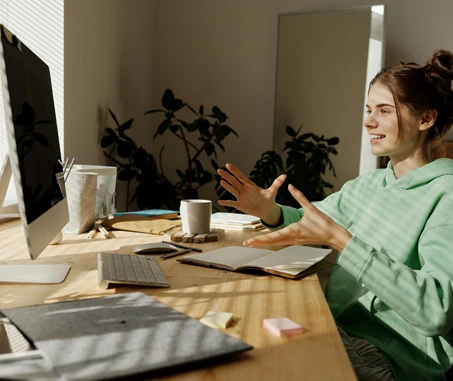
Telehealth: Expert anxiety care, available across PSYPACT states
- Cognitive-behavioral therapy (CBT) for anxiety and related concerns
- Exposure therapy and Exposure and Response Prevention (ERP) for anxiety and OCD
- Parent-based treatments such SPACE as and Behavioral Parent Training
- Treatment for sleep difficulties, including CBT-I and behavioral sleep interventions
- Care for repetitive behaviors, tics, and related challenges
When telehealth is a strong option
- Families living outside major metropolitan areas
- Children with anxiety that makes traveling difficult
- Busy families balancing school, work, and extracurricular demands
- Adolescents who engage more comfortably from their home environment
Research shows that telehealth-delivered CBT and exposure-based treatments are as effective as in-person care for childhood anxiety when delivered by trained specialists — making telehealth a powerful and flexible option for many families.
Thoughtful recommendations, not one-size-fits-all
Telehealth availability
- Washington State
- All PSYPACT-participating states
Getting started with telehealth care
Taking the next step
You don’t need a referral.
You don’t need a diagnosis.
You just need to reach out.

Get in Touch With Us
Address
1200 5th Avenue, Suite 800 Seattle, WA 98101